
Trends shape almost everything around us, often without our noticing. The clothes we buy, the phrases we use, the apps we download, the food we photograph, and even the ideas we take seriously are all influenced by trends. Yet for something so central to modern life, trends are widely misunderstood. What actually makes something a trend? Why do some catch fire while others fizzle? And how can you tell a lasting shift from a passing fad? This guide takes a clear, practical look at how trends work and how to make sense of them.
What a trend really is
At its simplest, a trend is a general direction in which something is developing or changing over time. That “something” can be almost anything: fashion, technology, language, music, business, or social behaviour. The key word is direction. A single popular moment is not a trend; a trend is a sustained movement, a growing wave of interest or adoption that builds momentum as more people join in.
This is where trends differ from fads. A fad is a burst of intense but short-lived popularity that rises quickly and collapses just as fast. A trend, by contrast, tends to build more steadily and last longer, sometimes reshaping an industry or a culture for years. Telling the two apart is one of the most valuable skills you can develop, and it is harder than it sounds in the moment.
How trends are born and spread
Most trends follow a recognisable life cycle. They begin with innovators and early adopters, a small group willing to try something new before it is widely accepted. If the idea resonates, it crosses into a broader early majority, gathering visibility and social proof. As momentum grows, the late majority joins, often because the trend now feels safe, normal, or expected. Finally, adoption peaks and the trend either settles into the mainstream or begins to fade as newer ideas emerge.
Social dynamics power this spread. People are influenced by what those around them do, a tendency sometimes called social proof. When we see others embracing something, especially people we admire or identify with, we are more likely to follow. This is why visibility matters so much: a trend that stays hidden rarely grows, while one that becomes visible can accelerate rapidly.
The role of social media and influencers
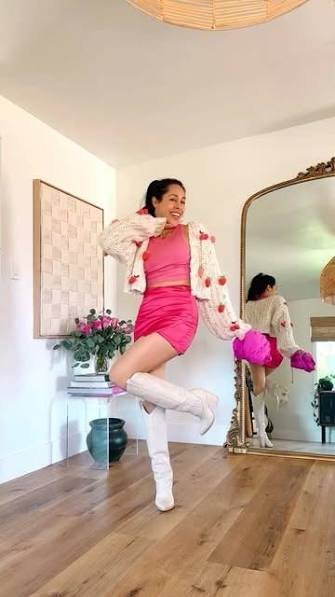
Nothing has accelerated the pace of trends more than social media. Where a fashion or cultural shift once took seasons or years to spread across the world, a single viral video can now push a look, a sound, or an idea to millions of people in days. Platforms are built to surface content that generates engagement, and that engine constantly manufactures and amplifies trends.
Influencers sit at the heart of this. By showcasing products, styles, and behaviours to engaged audiences, they act as accelerants, helping ideas leap from niche communities into the mainstream. This has genuine benefits: it democratises trend-setting, letting ordinary creators shape culture rather than leaving it solely to big brands. But it also speeds up the churn, so trends now rise and fall faster than ever, and it can blur the line between organic movements and paid promotion. A healthy dose of scepticism about who benefits from a trend is always wise.
Spotting a trend before everyone else

Being early to a trend can be valuable, whether you are a business, a creator, or simply someone who likes to stay ahead. The people who spot trends early tend to share a few habits. They pay attention to the edges, watching niche communities, subcultures, and early adopters where tomorrow’s mainstream often begins. They notice patterns across different areas, sensing when several small signals point in the same direction. And they stay curious rather than dismissive, treating unfamiliar ideas as worth understanding rather than mocking.
Data tools can help, too. Search-interest trackers, social listening, and analytics can reveal rising curiosity before it becomes obvious. But numbers are only part of the picture. The best trend-spotters combine data with genuine human insight, asking not just what is growing but why it resonates. A trend usually reflects a deeper need or shift in how people feel, and understanding that root cause is what separates a passing spike from a meaningful movement.
Trends versus fads: the crucial difference
Because so many things go viral, the hardest judgment is deciding what will last. A useful test is to ask whether something solves a real problem or reflects a durable change in behaviour, or whether it is simply novel and fun for a moment. Trends rooted in genuine utility, convenience, or a lasting cultural shift tend to endure. Those built purely on novelty tend to burn out once the novelty fades.
It is also worth remembering that not every fad is worthless and not every trend is good. A short-lived craze can still be joyful, and a powerful trend can carry downsides. The goal is not to chase everything or reject everything, but to understand what you are looking at so you can decide, deliberately, whether and how to engage.
Engaging with trends wisely
For all their power, trends are best approached with a clear head. Following every trend is exhausting and often expensive, and it can pull you away from your own preferences and values. The healthiest relationship with trends is selective: engage with the ones that genuinely add value or joy to your life, and feel free to ignore the rest. There is no obligation to adopt something simply because it is popular.
For businesses and creators, the same principle applies with a strategic twist. Jumping on a trend that fits your identity and audience can be powerful, but chasing trends that do not align can feel hollow and damage trust. Authenticity outlasts any single trend, and audiences increasingly reward those who engage thoughtfully rather than opportunistically.
The bigger picture
Trends are, in the end, a mirror of collective human behaviour. They reveal what large groups of people are curious about, worried about, or excited by at a given moment. Studying them offers a fascinating window into culture, psychology, and the way ideas move through societies. Whether you want to build a business, create content, or simply understand the world around you, learning to read trends is a genuinely useful skill.
So the next time something seems to be everywhere all at once, pause and look a little closer. Ask where it started, why it is spreading, and whether it is likely to last. That simple habit turns you from a passive follower of trends into a thoughtful observer of them, and that perspective is valuable no matter what the next big thing turns out to be.
Further reading: For more, browse our lifestyle coverage here on NewslyToday, and explore how ideas spread at Pew Research Center.


