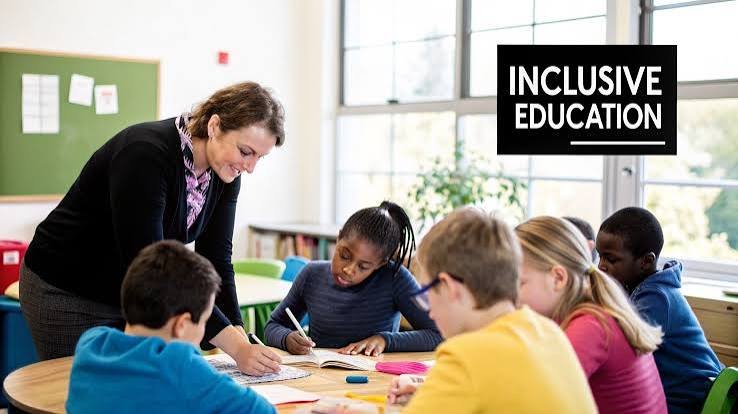
Walk into almost any classroom and you will find students learning much the same subjects their grandparents did. Math, reading, science, history, the familiar pillars of a good education. There is nothing wrong with these subjects, and the world would be poorer without them. But a growing number of teachers, parents, and employers are asking an uncomfortable question: are we preparing young people for the world they will actually live in, or for a world that no longer exists?
The concern is not that the basics do not matter. They matter enormously. The worry is about everything we leave out. Most students graduate without ever learning how to manage money, how to have a difficult conversation, how to think through a problem when there is no clear right answer, or how to tell the difference between a reliable source and a convincing lie online. These are not fringe skills. They are the daily tools of adult life, and yet they rarely appear on a report card.
Part of the problem is how we measure success. Schools are judged on test scores, so they teach what can be tested. It is far easier to grade a multiple choice exam than to assess whether a student can collaborate well, adapt to a setback, or think creatively under pressure. As a result, the things that are hardest to measure often become the things we quietly stop teaching, even though they may be the most valuable of all. A student who aces every exam but crumbles the first time they face genuine uncertainty has not really been prepared for much.
There is also the pace of change to reckon with. The jobs many of today’s students will eventually hold do not even exist yet, and the specific facts they memorize may be outdated within a few years. What will not go out of date is the ability to learn something new, to ask good questions, and to keep going when the first attempt fails. Increasingly, educators argue that the real goal of school should not be to fill young minds with information but to teach them how to think and how to keep learning long after they leave the building.
Encouragingly, some schools are starting to respond. Project-based learning, where students tackle real problems over weeks rather than memorizing for a Friday quiz, is spreading. Financial literacy courses are appearing on more curriculums. Teachers are weaving lessons on emotional awareness and critical thinking into subjects that used to be purely academic. These changes are uneven and often underfunded, but they point toward a broader understanding of what education can be.
None of this means abandoning the classics. A person who cannot read well or reason with numbers is at a serious disadvantage no matter how emotionally intelligent they are. The goal is balance, an education that respects the timeless subjects while making room for the human skills that help people build good lives. If we can manage that, we will send young people into the world not just knowing things, but genuinely ready to handle whatever it throws at them. That, in the end, is what education was always supposed to be for.
Further reading: For more, browse how technology is reshaping learning here on NewslyToday, and for a deeper, authoritative perspective see the OECD education research hub.