
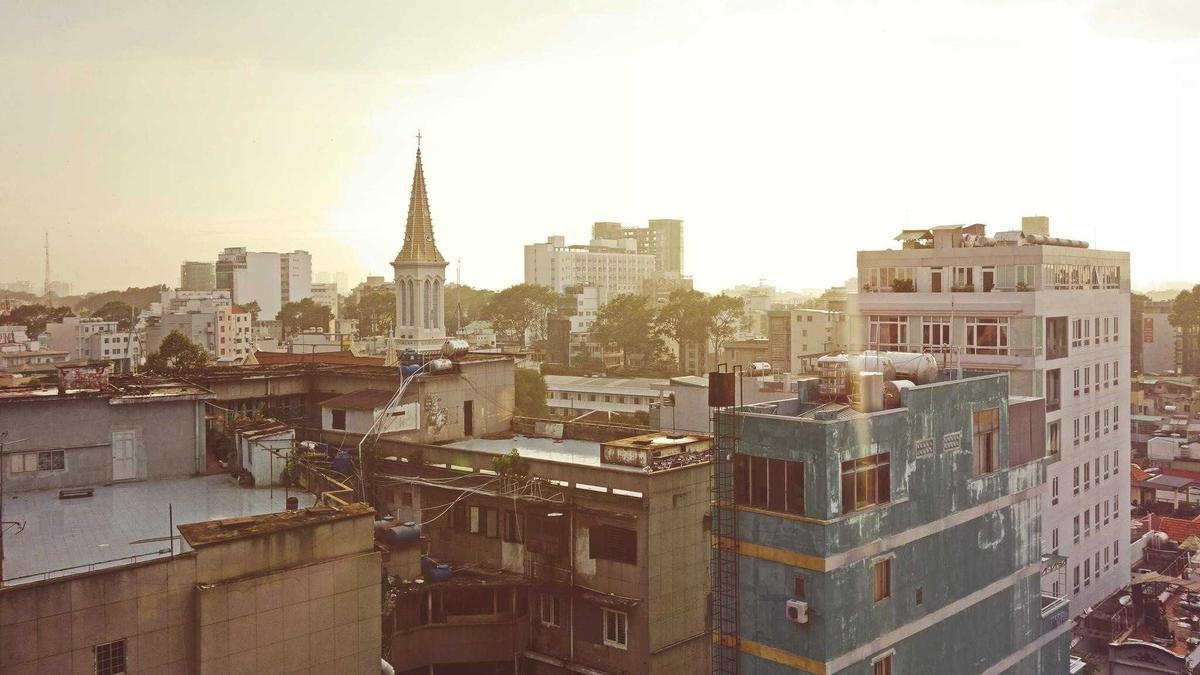
For most of modern history, when we talked about world affairs we talked about nations. Borders, treaties, and the decisions of national governments shaped how we understood the planet. But increasingly, the most important stories are not unfolding in capital cities because a president lives there. They are unfolding in cities themselves, in the sprawling metropolises where more than half the world now lives and where the biggest challenges and opportunities of our time are being worked out in real time.
The numbers alone are staggering. Every week, roughly three million people around the world move from the countryside into urban areas. That is the equivalent of adding a new major city to the map every few weeks. This migration is reshaping economies, straining infrastructure, and forcing local leaders to solve problems that national governments have struggled with for decades. When a mayor has to figure out how to house a rapidly growing population or keep the water running during a heatwave, abstract policy debates suddenly become very concrete.
What makes cities so interesting on the world stage is their willingness to act quickly. National politics can be slow and gridlocked, tangled up in ideology and elections. Cities, by contrast, tend to be pragmatic because their problems are immediate. A pothole does not care about your politics, and neither does a flooded subway line. This has led to a quiet phenomenon where mayors from wildly different countries often have more in common with each other than with their own national leaders. They swap ideas about transit, housing, and clean energy across borders, building informal networks that increasingly influence global trends.
Climate change has accelerated this shift dramatically. Cities produce the majority of the world’s carbon emissions, but they are also where the most creative solutions are being tested. From car-free zones in European capitals to ambitious green building codes in Asia, urban areas have become laboratories for the changes the whole planet will eventually need. When a city of ten million successfully cuts its emissions or redesigns itself around public transit, the lessons ripple outward far beyond its borders.
Of course, this concentration of people and power comes with real risks. Inequality is often starkest in cities, where gleaming towers stand within sight of neighborhoods struggling with poverty. When housing costs spiral, when public services buckle under demand, the consequences are felt by millions at once. And because cities are so interconnected, a crisis in one major hub, whether economic, environmental, or political, can send shockwaves around the world within days.
Understanding the world today increasingly means paying attention to what is happening at the street level in its great cities. The decisions being made in city halls about transportation, housing, energy, and public space will shape how billions of people live in the coming decades. National governments still matter enormously, but the frontline of global change has moved closer to home than most of us realize. The next chapter of world history is being written not just in the halls of power, but in the crowded, chaotic, and endlessly inventive cities where most of humanity now makes its home.
Further reading: For more, browse related political coverage here on NewslyToday, and for a deeper, authoritative perspective see the United Nations on cities and climate.


