

Electric vehicles have moved from a niche technology product to the fastest-growing segment of the global auto industry, and they are reshaping a billion-dollar industry with implications for energy, environment, geopolitics, and the everyday lives of hundreds of millions of people. The transition from internal combustion engines to electric drivetrains represents the most significant change in personal transportation since the automobile displaced the horse and buggy a century ago. Understanding the scale of this transformation, who is winning the race to electrify transportation, and what challenges remain is essential for anyone seeking to understand the technological and economic forces defining the 2020s.
The Scale of the EV Revolution
Global EV sales exceeded 14 million units in 2023, representing approximately 18 percent of all new vehicle sales worldwide. This represents an extraordinary growth from just over 3 million units in 2020, demonstrating the remarkable speed at which EVs are gaining market share in countries where they are affordable and supported by adequate charging infrastructure. China is by far the largest EV market, accounting for approximately 60 percent of global EV sales, driven by strong government policy support, a highly competitive domestic industry, and consumer acceptance that has exceeded expectations.
Europe is the second-largest EV market, with strong sales particularly in Norway, which has been the global leader in EV adoption for years and where EVs now account for more than 90 percent of new vehicle sales, as well as in the Netherlands, Germany, Sweden, and the United Kingdom. The United States has been a slower adopter by comparison, with EVs representing approximately 9 percent of new vehicle sales in 2023, though this share is growing and the enormous US auto market means that absolute sales volumes are significant.
Tesla’s Leadership and Competition
Tesla has been the defining company of the EV revolution, transforming public perception of electric vehicles from practical but unappealing transportation appliances into desirable, high-performance cars that many consumers actively prefer over their gasoline-powered equivalents. Under Elon Musk’s leadership, Tesla pioneered the direct-to-consumer sales model for cars, built the world’s most extensive EV charging network, and developed software and autonomous driving capabilities that established a technology lead that traditional automakers have struggled to match.
However, Tesla is now facing the most intense competition in its history. BYD has overtaken Tesla as the world’s largest seller of electric vehicles and is competing effectively in the global market with a broader range of vehicles at lower price points. Hyundai and Kia have launched well-regarded EV models that have received critical and commercial success. BMW, Mercedes, Audi, and Porsche are all developing premium EV offerings that compete with Tesla’s higher-end models. Ford’s F-150 Lightning and Chevrolet’s Silverado EV are competing in the critical pickup truck market that Tesla has struggled to address with its Cybertruck. The era of Tesla’s uncontested EV dominance is over, and the company is having to compete on price, features, and brand appeal in a way it has not previously had to do.
The Infrastructure Challenge
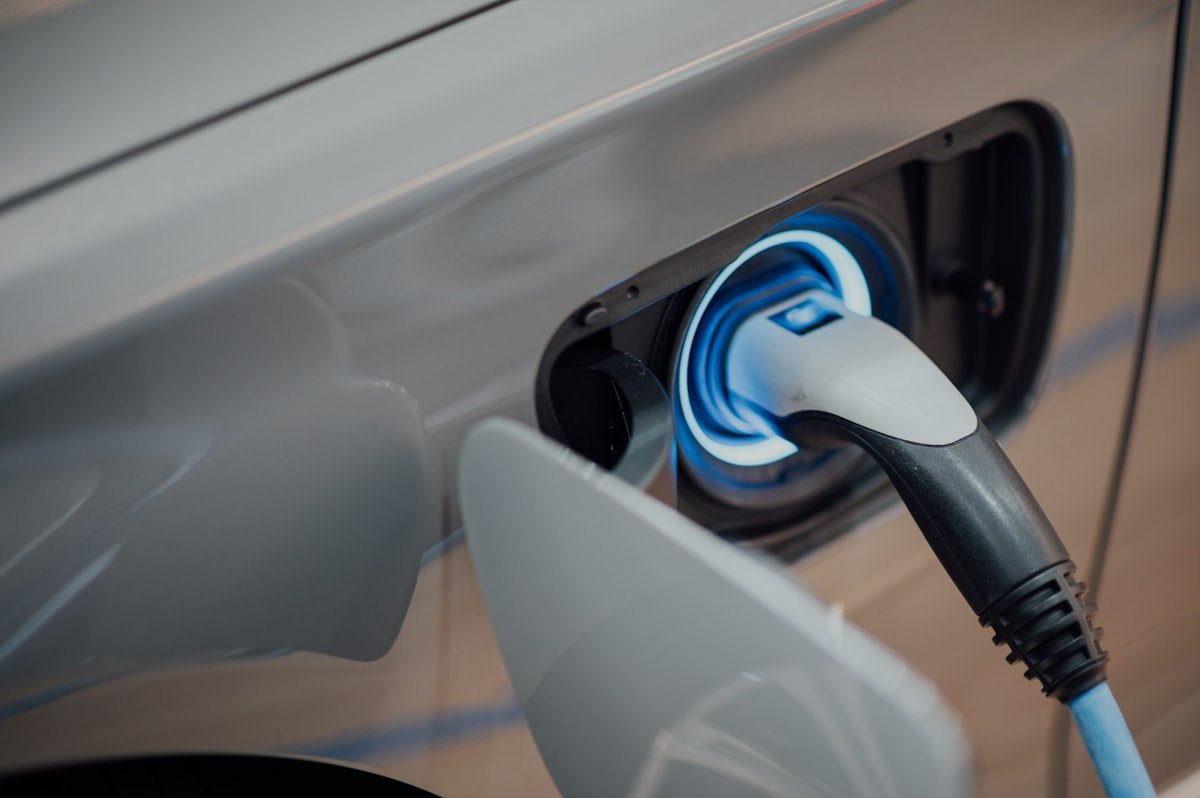
One of the most significant remaining barriers to rapid EV adoption is charging infrastructure. While the situation has improved dramatically from just a few years ago, the charging network in the United States, in particular, still falls far short of the ubiquity and reliability needed to make EVs as practical as gasoline cars for all consumers and all use cases. Range anxiety, though increasingly less justified for vehicles with 300-plus mile ranges, remains a powerful psychological barrier for potential EV buyers who worry about being stranded without access to a charge.
The federal government’s $7.5 billion investment in EV charging infrastructure through the Bipartisan Infrastructure Law is intended to address this challenge, but the rollout of this funding has been slower than anticipated, with permitting, utility interconnection, and equipment supply challenges all contributing to delays. The adoption of Tesla’s NACS charging standard by Ford, General Motors, Honda, and most other major automakers represents an important step toward a more unified and interoperable charging ecosystem, which will reduce consumer confusion and allow charging providers to serve all EVs from a single network.
Environmental Benefits and Challenges
The environmental case for EVs is compelling but nuanced. Over their full lifecycle, including manufacturing, operation, and end-of-life, EVs produce significantly fewer greenhouse gas emissions than comparable gasoline vehicles in most of the world’s major markets, and this advantage grows as electricity grids incorporate more renewable energy. The manufacturing of EV batteries requires significant amounts of lithium, cobalt, nickel, and manganese, raising questions about supply chain sustainability and the environmental impact of mining these critical minerals.
The EV revolution also has significant implications for global energy markets, oil demand, and the geopolitics of energy. As EVs become a larger share of the vehicle fleet, demand for petroleum will eventually peak and begin a long-term decline, with profound implications for oil-producing nations and the global balance of economic power. The transition to EVs powered by domestically generated electricity represents an energy independence opportunity for oil-importing nations that is as significant as any geopolitical shift of the past half century. The EV revolution is not just a technology story or a consumer story. It is one of the most consequential economic and political transformations of the 21st century.

One thought on “The EV Revolution: How Electric Vehicles Are Reshaping a Billion-Dollar Industry”