
Electric vehicles in 2025 are at a critical inflection point. After years of explosive growth, the EV market is navigating a period of intense competition, technological breakthrough, and infrastructure expansion that will determine which companies and countries lead the next phase of transportation history. Solid-state battery technology promises to eliminate the most significant remaining barriers to EV adoption. The rivalry between BYD and Tesla is reshaping the global auto industry. And the massive buildout of charging infrastructure is finally making EVs a practical choice for millions of drivers who previously hesitated.
Solid-State Batteries: The Next Revolution
Solid-state batteries represent the most significant potential advancement in electric vehicle technology since the development of the lithium-ion battery itself. Unlike conventional lithium-ion batteries, which use a liquid electrolyte, solid-state batteries use a solid electrolyte that is more stable, more energy-dense, and safer. The theoretical benefits are substantial: faster charging times (potentially under 10 minutes for a full charge), longer range (potentially exceeding 500 miles per charge), longer battery life, and significantly reduced risk of fire.
Toyota, which has staked its reputation on solid-state battery technology, announced in 2024 that it expects to begin limited commercial production of solid-state battery EVs by 2027. Samsung SDI, QuantumScape, Solid Power, and dozens of other companies are also racing to commercialize the technology. In 2025, several manufacturers have announced solid-state battery prototypes with performance characteristics that exceed current liquid-electrolyte batteries in laboratory conditions. The transition from laboratory success to mass commercial production at affordable prices remains the key challenge, but the timeline for solid-state batteries entering the mainstream market is now measured in years rather than decades.
BYD vs Tesla: The Global EV Battle
The global EV market is now dominated by a two-company rivalry that resembles nothing so much as the great technology platform battles of the previous decade. BYD, the Chinese EV and battery manufacturer backed by Warren Buffett’s Berkshire Hathaway, overtook Tesla as the world’s largest seller of electric vehicles in 2023 and has maintained that position. BYD’s success is built on a vertically integrated manufacturing model, aggressive pricing, and a rapid pace of product innovation that has allowed it to launch new models with features and specifications that rival or exceed Tesla’s offerings at significantly lower price points.
Tesla, under the continued leadership of Elon Musk, remains the most valuable automaker in the world by market capitalization and the dominant player in the premium EV segment. Tesla’s Supercharger network, now being opened to vehicles from other manufacturers, is the gold standard for EV charging infrastructure. The company’s software and autonomous driving capabilities, particularly its Full Self-Driving system, represent a competitive moat that traditional automakers have struggled to replicate. However, Tesla faces intensifying competition not just from BYD but from a growing range of high-quality alternatives from established automakers including Hyundai, BMW, Mercedes, and General Motors.
EV Charging Infrastructure Expands
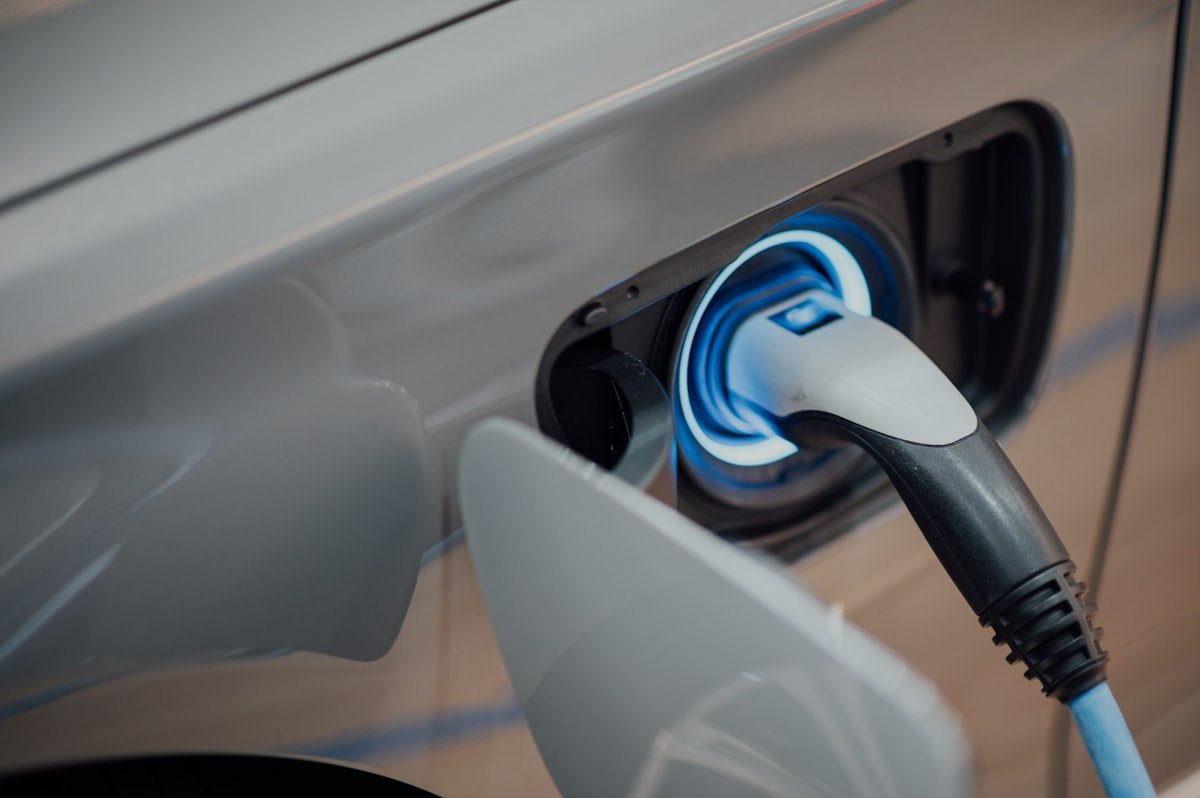
Range anxiety, the fear of running out of battery charge before reaching a charging station, has been one of the most cited barriers to EV adoption. In 2025, this concern is becoming significantly less relevant as charging infrastructure expands dramatically. The United States has more than 60,000 public charging stations with over 160,000 individual charging ports, with the number growing rapidly thanks to the Bipartisan Infrastructure Law’s $7.5 billion investment in EV charging. However, the distribution of this infrastructure remains highly uneven, with urban and suburban areas well-served while rural regions lag significantly behind.
Fast charging technology has advanced to the point where many modern EVs can add 200 miles of range in 15 to 20 minutes at a 350-kilowatt DC fast charger. This is still significantly slower than filling a gas tank but is fast enough to be practical for most long-distance travel if chargers are conveniently located at highway rest stops, shopping centers, and restaurants. The transition to a charging infrastructure model that is as convenient and ubiquitous as today’s gas station network is still years away, but the trajectory is clear and the investment is flowing.
The Road to 40 Million EVs by 2030
The International Energy Agency projects that global EV sales will reach 40 million units per year by 2030, representing approximately 40 percent of all new vehicle sales. This trajectory would represent a transformation of the global auto industry at a pace rarely seen in any major industry. Achieving this goal requires continued cost reductions that make EVs price-competitive with internal combustion vehicles without subsidies, further expansion of charging infrastructure, development of long-range battery technology suitable for trucks and commercial vehicles, and the construction of sufficient electricity generation and grid capacity to power a vastly expanded EV fleet.
The environmental benefits of this transition are substantial but depend significantly on the cleanliness of the electricity grid. In regions powered primarily by coal, an EV may produce only marginally fewer lifecycle emissions than a fuel-efficient gasoline car. In regions powered by renewable energy, an EV produces dramatically fewer emissions over its lifetime. The electrification of transportation and the decarbonization of the electricity grid are therefore deeply interconnected challenges that need to advance together for the EV revolution to deliver its full environmental promise.