We treat sleep as though it is optional. It is the first thing we cut when life gets busy, the easiest corner to trim when there is a deadline looming or one more episode to watch. Somewhere along the way, running on too little sleep became a badge of honor, a sign that you were hardworking and ambitious. But the science of the last two decades has told a very different and far less flattering story. Skimping on sleep is not a clever life hack. It is one of the most damaging things we routinely do to our own bodies and minds.
What makes sleep loss so insidious is that it does not feel like much in the moment. Miss an hour or two and you might feel a little groggy, reach for another coffee, and push through the day convinced you are fine. But underneath that surface, quite a lot is going wrong. Sleep is when the brain clears out metabolic waste, consolidates memories, and resets the systems that regulate mood and appetite. Cut it short, and every one of those processes suffers, even if you do not consciously notice.
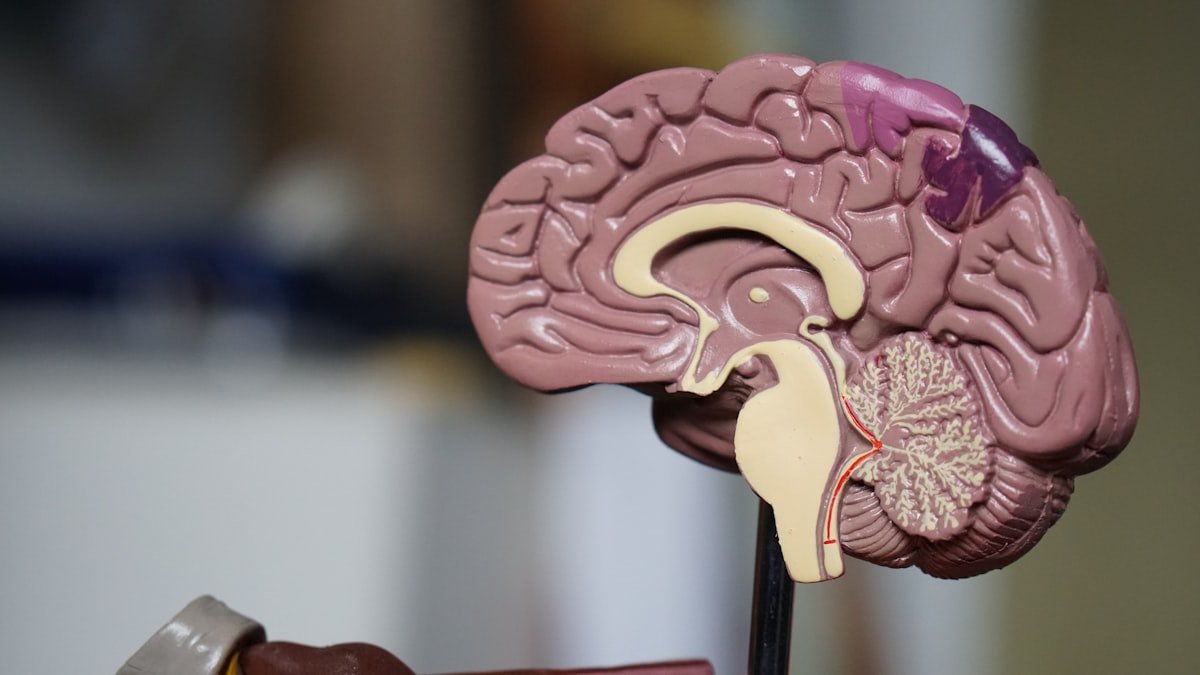
The list of consequences reads like a catalog of modern ailments. Chronic sleep deprivation has been linked to weight gain, weakened immunity, higher blood pressure, and an increased risk of heart disease and diabetes. It clouds concentration and slows reaction times to a degree comparable with mild intoxication, which is a sobering thought for anyone who drives to work after a bad night. Perhaps most striking is the emerging research connecting long-term poor sleep with a higher risk of cognitive decline later in life. The brain, it turns out, does a great deal of its housekeeping while we rest, and depriving it of that time has a cumulative cost.
There is a mental health dimension too, one that often gets overlooked. Sleep and mood are deeply intertwined, each feeding the other. Poor sleep makes us more anxious and irritable, and anxiety in turn makes it harder to sleep, creating a loop that can be difficult to escape. Many people struggling with their mental health find that simply repairing their sleep is one of the most powerful things they can do, sometimes making a bigger difference than they expected.
The good news is that sleep is remarkably responsive to change. The body wants to sleep well; it just needs the right conditions. Keeping a consistent schedule, dimming the lights in the evening, and putting screens away before bed can make a genuine difference within days. Cutting back on caffeine after midday and giving yourself a proper wind-down period tell the body it is safe to switch off. None of this is glamorous or complicated, which is perhaps why we so often ignore it.
The real shift that needs to happen is cultural. As long as we treat exhaustion as a sign of dedication, we will keep sacrificing the one thing that lets us function at our best. Protecting your sleep is not laziness or self-indulgence. It is basic maintenance for the most important machine you will ever own. The next time you are tempted to steal an hour from the night to get ahead, it is worth remembering that you will almost certainly pay it back with interest, and the currency is your health.
Further reading: For more, browse our lifestyle and wellbeing section here on NewslyToday, and for a deeper, authoritative perspective see the Sleep Foundation.