
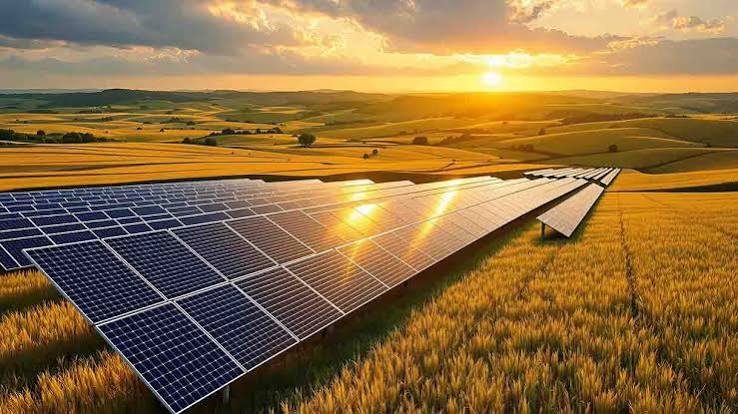
Renewable energy has moved from a niche talking point to one of the defining economic and political stories of our time. Solar panels now sit on rooftops in nearly every country, wind turbines dot coastlines and open plains, and utility companies are rethinking how electricity gets generated, stored, and delivered. What was once framed mainly as an environmental issue is increasingly a question of cost, reliability, and national competitiveness.
Understanding how renewable energy actually works, and why the transition is happening as fast as it is, helps make sense of headlines about power grids, energy bills, and climate policy. This guide breaks down the major renewable technologies, the challenges still standing in the way, and where the world is headed next.
What Counts as Renewable Energy?
Renewable energy comes from sources that naturally replenish on a human timescale, unlike fossil fuels, which take millions of years to form. Several technologies dominate the current landscape.
Solar Power
Photovoltaic panels convert sunlight directly into electricity, and have become the fastest-growing source of new power generation capacity worldwide thanks to steep cost declines over the past decade.
Wind Power
Wind turbines, both onshore and offshore, convert moving air into electricity using large rotating blades connected to generators. Offshore wind in particular has grown quickly as turbine technology has scaled up in size and efficiency.
Hydropower
Dams and river-based turbines have supplied reliable electricity for over a century, making hydropower the oldest and, in many countries, still the largest source of renewable generation.
Geothermal and Other Sources
Geothermal plants tap heat from underground reservoirs, while smaller contributions come from biomass and tidal energy. These sources play a supporting role but remain important in specific regions with the right geography.
Why the World Is Racing Toward Renewables
Several forces are pushing governments, utilities, and businesses to accelerate the shift away from fossil fuels.
- Climate commitments: national and corporate pledges to cut emissions rely heavily on replacing fossil generation
- Falling costs: solar and wind are now among the cheapest sources of new electricity in most markets
- Energy security: domestic renewable generation reduces dependence on imported fuel
- Investor and public pressure: financial markets increasingly favor companies with credible clean energy strategies
How Solar Power Actually Works
Solar panels are made of photovoltaic cells, typically silicon-based, that generate an electrical current when sunlight strikes them. That direct current passes through an inverter, which converts it into the alternating current used by homes and the electrical grid. Excess electricity generated during peak sunlight hours can be stored in batteries or sent back to the grid, depending on the setup and local regulations.
Utility-scale solar farms use the same basic principle at a much larger scale, often tracking the sun’s position throughout the day to maximize output. Residential systems, by contrast, are usually fixed in place and sized to offset a household’s typical electricity use.
How Wind Power Actually Works
Wind turbines work in the opposite direction of a fan: instead of using electricity to move air, moving air spins the blades, which turn a shaft connected to a generator. Larger blades and taller towers capture stronger, more consistent wind, which is why modern turbines have grown significantly in size compared to earlier generations.
Offshore wind farms benefit from stronger, steadier winds over open water, though building and maintaining turbines at sea costs considerably more than onshore installations. Even so, several countries have made offshore wind a central part of their long-term energy strategy.
The Challenge of Storage and Grid Reliability
Solar and wind share one major limitation: they only generate electricity when the sun shines or the wind blows. Solving that mismatch between supply and demand is one of the biggest engineering challenges of the energy transition.
Battery Storage
Large-scale battery installations store excess renewable electricity for use during periods of low generation, such as overnight or on calm, cloudy days. Battery costs have fallen sharply, making storage projects increasingly common alongside solar and wind farms.
Grid Modernization
Aging power grids were designed around a small number of large, steady power plants, not thousands of distributed solar and wind installations. Utilities are investing in smarter grid infrastructure, better forecasting tools, and stronger transmission lines to handle this more variable and decentralized mix of generation.
Renewable Energy Around the World
Adoption speeds and priorities vary widely depending on geography, policy, and existing infrastructure.
United States
Solar and wind capacity has expanded rapidly, supported by federal tax incentives and falling equipment costs, though the pace and policy support can shift with changes in administration and state-level regulation.
Europe
European countries have leaned heavily into offshore wind and cross-border grid connections, partly driven by a push for energy independence following disruptions to traditional fuel supplies.
China and Asia
China has become the world’s largest manufacturer and installer of solar panels and wind turbines, while other Asian economies are scaling up renewable capacity to meet rapidly growing electricity demand.
Jobs and Economic Impact
The renewable sector has become a significant source of employment, spanning manufacturing, installation, maintenance, and grid engineering. Solar installation and wind turbine service technician roles have both grown quickly as demand for new projects and ongoing maintenance has expanded. Beyond direct jobs, regions that attract renewable manufacturing and construction projects often see broader economic benefits, including new supply chains and infrastructure investment. According to the International Energy Agency, renewable capacity additions are expected to keep breaking annual records worldwide.
Common Myths About Renewable Energy
Misconceptions about renewable energy persist even as the technology matures.
- Myth: Renewables can’t power an entire grid. In reality, several regions already run on very high shares of renewable electricity for extended periods, with storage and grid upgrades closing the remaining gap
- Myth: Solar panels don’t work in cold or cloudy climates. Panels still generate electricity in indirect light and can actually operate more efficiently in cooler temperatures
- Myth: Wind turbines require more energy to build than they ever produce. Studies consistently show turbines repay their manufacturing energy cost within months of operation
What Individuals Can Do
Large-scale change depends mostly on policy and infrastructure, but individual choices still add up and can influence local demand for cleaner energy options.
- Check whether your utility offers a renewable energy or green power plan
- Look into local incentives or rebates for rooftop solar installation
- Reduce overall energy use through efficient appliances and better home insulation
- Support policies and local projects that expand clean energy infrastructure in your area
Renewable Energy vs. Fossil Fuels: A Quick Comparison
Comparing the two side by side helps explain why the shift is happening even without factoring in climate concerns.
- Fuel cost: renewables have no ongoing fuel cost, while fossil plants are exposed to volatile commodity prices
- Emissions: solar and wind produce electricity with no direct carbon emissions, unlike coal and natural gas plants
- Build time: solar and wind farms can often be built faster than large fossil fuel or nuclear plants
- Output consistency: fossil fuel plants can generate on demand, while solar and wind depend on weather and time of day
Permitting and Policy Hurdles
Even as costs fall, building new renewable projects still runs into practical obstacles. Permitting delays for large solar and wind farms can stretch for years, particularly when new transmission lines are required to connect remote projects to population centers. Local opposition, sometimes called the not-in-my-backyard effect, can also slow or block individual projects even when regional demand for clean energy is high. Policymakers in several countries have started experimenting with streamlined permitting processes and dedicated transmission corridors specifically to address these bottlenecks.
What the Future Grid Might Look Like
The electrical grid of the future is likely to look far more distributed and dynamic than the one most people grew up with. Instead of relying on a handful of large power plants, it will draw from thousands of smaller sources, solar rooftops, wind farms, batteries, and even electric vehicles feeding power back into the system during peak demand. Software and forecasting will play a much larger role, balancing supply and demand in near real time across a far more complex network.
Frequently Asked Questions
Is renewable energy actually cheaper than fossil fuels?
In most markets, new solar and wind projects now produce electricity at a lower cost than new coal or gas plants, though existing fossil infrastructure that’s already paid off can sometimes still compete on price.
What happens when the sun isn’t shining or the wind isn’t blowing?
Grid operators rely on a mix of battery storage, other renewable sources, transmission from other regions, and backup generation to keep the grid balanced during low-output periods.
How long do solar panels and wind turbines last?
Most solar panels are warrantied for around 25 years, though many continue producing power at reduced efficiency well beyond that. Wind turbines typically operate for 20 to 25 years before major components need replacement.
Is nuclear power considered renewable energy?
Nuclear power is low-carbon but typically classified separately from renewables, since it relies on mined uranium rather than a naturally replenishing energy source.
What are old solar panels and wind turbine blades recycled into?
Recycling programs are still developing, but materials like glass, aluminum, and silicon from panels can be recovered, while turbine blade recycling increasingly focuses on repurposing composite materials for construction and other industrial uses.
Can renewable energy fully replace fossil fuels?
Many experts believe electricity generation can become almost entirely renewable over time, though sectors like aviation and heavy industry present tougher challenges that may rely on other low-carbon solutions.
Does building solar and wind projects harm wildlife or land use?
Poorly sited projects can affect birds, bats, and local ecosystems, which is why careful site selection, environmental review, and technology improvements are an important part of responsible project development.
Does renewable energy reduce electricity bills for consumers?
Over time, cheaper generation costs can translate into lower wholesale electricity prices, though retail bills also reflect grid upgrades, transmission costs, and regional market rules, so the effect on individual bills varies.
What role do corporations play in the renewable energy shift?
Many large companies now sign long-term contracts, known as power purchase agreements, to buy renewable electricity directly from solar and wind developers, which helps fund new projects while allowing companies to meet their own sustainability targets.
Final Thoughts
Renewable energy is no longer a distant goal, it’s an active, ongoing transformation of how the world produces and consumes electricity. Solar and wind are cheaper and more widespread than ever, storage technology keeps improving, and grids are slowly being rebuilt for a more distributed future. Challenges around reliability, permitting, and infrastructure remain real, but the overall trajectory continues to point toward a cleaner, more resilient power system.
For more coverage of climate, energy, and environmental policy, explore our World & Environment section, and check back as we continue tracking how the global energy transition unfolds.
About the Author
World & Environment Desk, NewslyToday — covering climate, energy, and environmental policy.