
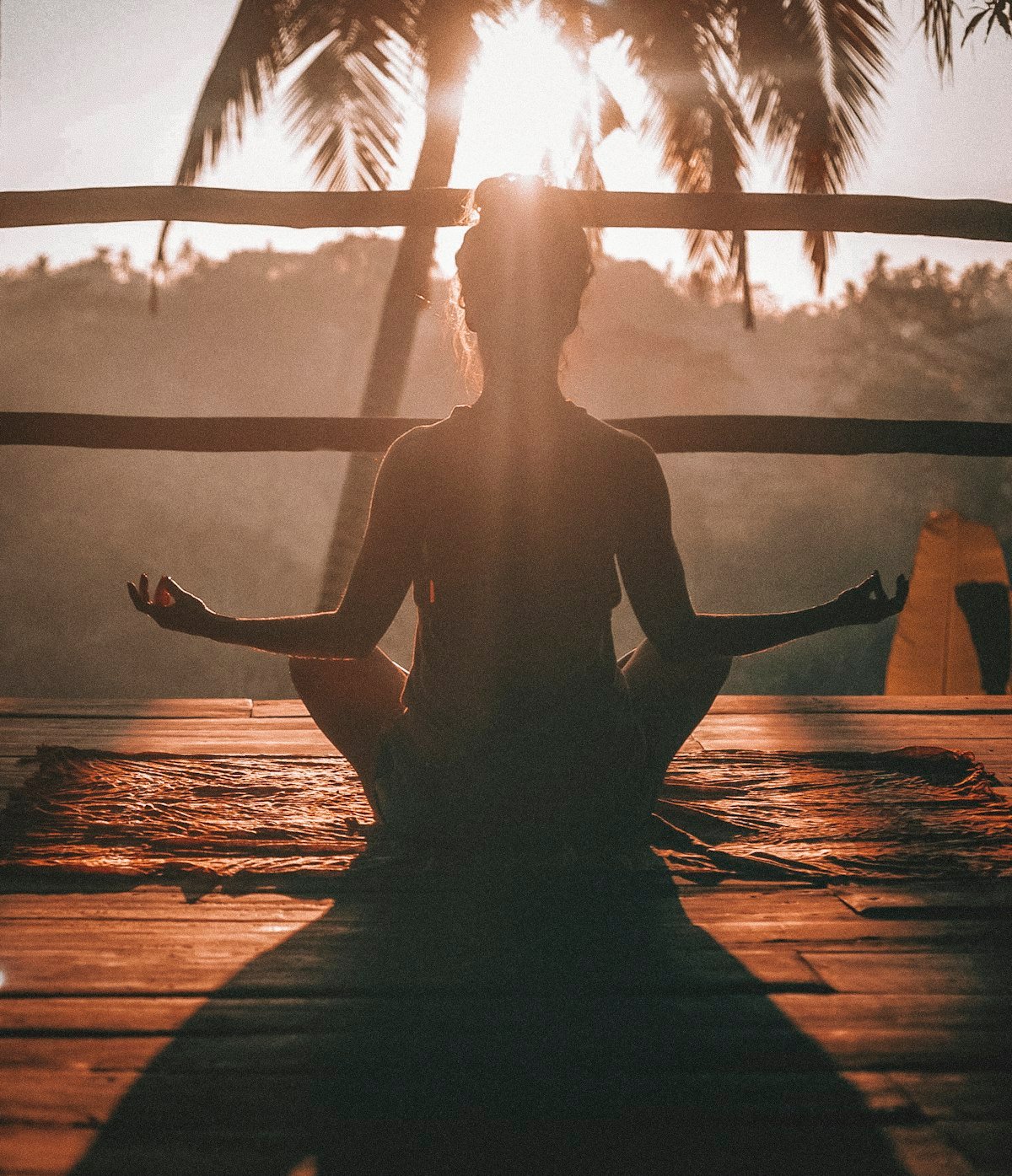
Lifestyle in 2025 looks dramatically different from what most people imagined even five years ago. A global wellness revolution is fundamentally changing how millions of people think about health, work, and daily life. Travel has rebounded with enormous energy and a new emphasis on meaningful experiences. Home design is adapting to hybrid work and a renewed focus on comfort. And food culture is evolving rapidly in response to health consciousness, sustainability concerns, and the influence of social media. Together, these trends are creating a new blueprint for the good life in the mid-2020s.
The Wellness Revolution
The global wellness industry now exceeds $5.6 trillion in annual value, encompassing everything from fitness and nutrition to mental health, sleep optimization, preventive medicine, and spiritual practices. What was once a niche concern for health enthusiasts has gone completely mainstream. In 2025, tracking sleep with a wearable device, taking daily supplements, practicing mindfulness, and following a personalized nutrition plan are ordinary behaviors for hundreds of millions of people worldwide.
The rise of GLP-1 medications like Ozempic and Wegovy has dramatically changed the conversation around weight management, with millions of users reporting not just weight loss but improved metabolic health, reduced cravings, and greater energy. Functional fitness, which emphasizes movement quality and longevity over appearance, has overtaken traditional gym culture in popularity. Cold plunge therapy, sauna sessions, breathwork, and other biohacking practices once associated with elite athletes are now found in mainstream wellness centers across the country.
Travel Renaissance
Travel has returned with extraordinary vitality after the pandemic years, but the way people travel has fundamentally shifted. In 2025, the most sought-after travel experiences prioritize authenticity, immersion, and personal meaning over Instagram-worthy sightseeing. Slow travel, which involves spending extended time in a single destination rather than rushing through a checklist of landmarks, has become one of the dominant travel philosophies for working-age adults who can work remotely while exploring new cultures.
Digital nomadism has grown from a fringe phenomenon to a recognized lifestyle. More than 35 million people worldwide now identify as digital nomads, taking advantage of remote work arrangements to live and work from destinations around the world. Countries including Portugal, Georgia, Mexico, Thailand, and Indonesia have introduced digital nomad visa programs specifically to attract this affluent and mobile workforce. The economic impact on host communities has been mixed, with some locations reporting a tourism renaissance and others experiencing housing cost increases and community tension.
Home Design for the Hybrid Age
The home has never been more important or more carefully designed. With hybrid work here to stay for millions of professionals, homes in 2025 are being reimagined as multifunctional spaces that need to serve as offices, gyms, relaxation retreats, and social hubs simultaneously. The demand for dedicated home office spaces has driven a significant increase in home renovations and has influenced new construction design in ways that will last for decades.
Biophilic design, which incorporates natural elements including plants, natural light, organic materials, and water features, has moved from architectural theory to mainstream interior design. Studies consistently show that exposure to natural elements reduces stress, improves cognitive function, and increases feelings of wellbeing. Sustainable materials and energy-efficient systems are no longer premium upgrades but expected features in new construction and renovation projects. Smart home technology, including AI-powered climate control, security systems, and lighting that adjusts automatically to circadian rhythms, is becoming standard in new builds.
Food Culture in 2025
Food culture in 2025 reflects a fascinating collision of health consciousness, environmental awareness, technological innovation, and a deep desire for pleasure and connection. Plant-based eating has gone well beyond veganism to become a mainstream dietary approach, with many people adopting flexitarian diets that dramatically reduce animal product consumption without eliminating it entirely. The plant-based food market now exceeds $77 billion globally, with continuous innovation producing products that match or exceed their animal-based equivalents in taste and texture.
Personalized nutrition, powered by genetic testing, gut microbiome analysis, and continuous glucose monitoring, is transforming how people approach their diets. Rather than following generic dietary guidelines, growing numbers of health-conscious consumers are eating in ways specifically calibrated to their individual biology. Food as medicine is becoming a genuine medical discipline, with physicians and registered dietitians working together to use diet as a primary intervention for conditions ranging from type 2 diabetes to autoimmune disorders and mental health challenges.
The lifestyle landscape of 2025 is complex, exciting, and full of genuine opportunities for people to live healthier, more fulfilling, and more intentional lives. The challenge is navigating the overwhelming volume of information, products, and choices available and developing personal practices that are both effective and sustainable over the long term. Those who succeed in doing so are redesigning not just their daily routines but their fundamental relationship with what it means to live well.


