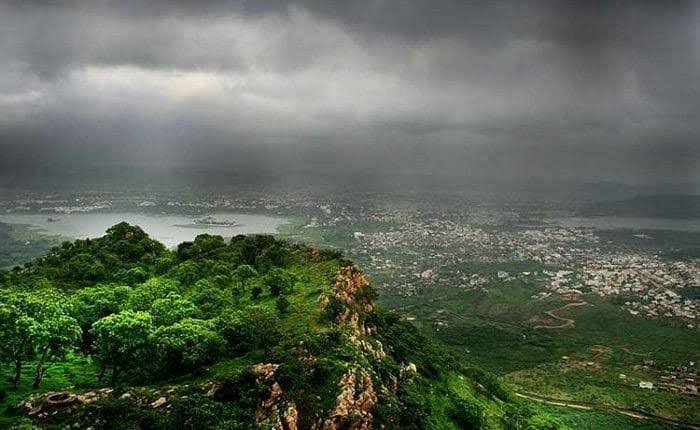
There’s a particular smell that hits you the moment the first monsoon rain touches dry earth. Meteorologists call it petrichor. For millions of people across South Asia, it simply means one thing: the wait is over. After months of blistering heat, the sky finally breaks open, and life outside quite literally changes color overnight.
But monsoon season is far more than a seasonal mood shift. It’s one of the most powerful and economically significant weather systems on the planet, influencing everything from crop yields and water reservoirs to stock markets and daily commutes. Understanding how it works isn’t just useful for farmers or fishermen anymore, it matters to anyone trying to make sense of shifting weather patterns in a warming world.
In this guide, we’ll break down what causes the monsoon, how forecasters track it, why rainfall patterns have become harder to predict, and what you can do to stay prepared when the clouds roll in.
What Exactly Is a Monsoon?
The word “monsoon” comes from the Arabic mausim, meaning season. At its core, a monsoon is a large-scale seasonal reversal of wind direction that brings a distinct wet season and a distinct dry season to a region.
During summer, land heats up faster than the ocean. This creates a low-pressure zone over land and a relatively higher-pressure zone over the sea. Moisture-laden winds rush in from the ocean to fill that gap, and when they rise and cool over land, they release the heavy rainfall we associate with monsoon weather.
This pattern isn’t unique to one country. Monsoon systems affect large parts of South Asia, Southeast Asia, West Africa, and even parts of North America, though the Indian monsoon remains the most extensively studied due to its scale and impact on over a billion people.
The Two Phases of the Indian Monsoon
- Southwest Monsoon (June to September): This is the primary monsoon season, bringing nearly 70-75% of India’s annual rainfall. It typically makes landfall over the Kerala coast around the start of June before advancing across the rest of the country.
- Northeast Monsoon (October to December): Also known as the retreating monsoon, this phase mainly affects the southeastern coast, including Tamil Nadu, as winds reverse direction and pick up moisture from the Bay of Bengal.
Why Monsoon Forecasting Is So Complicated
If you’ve ever noticed a weather forecast change dramatically within a few days, you’re not imagining things. Monsoon systems are influenced by a tangled web of factors that interact in ways scientists are still working to fully understand.
Key Factors That Influence Monsoon Behavior
- El Niño and La Niña cycles – Warmer Pacific Ocean temperatures (El Niño) tend to suppress monsoon rainfall, while cooler phases (La Niña) often strengthen it.
- Indian Ocean Dipole (IOD) – A temperature difference between the western and eastern Indian Ocean that can either boost or weaken rainfall independently of El Niño.
- Himalayan snow cover – Heavier winter snow can delay the heating of the Tibetan Plateau, which in turn can delay monsoon onset.
- Global warming trends – Rising sea surface temperatures are linked to more intense but less evenly distributed rainfall events.
According to the India Meteorological Department (IMD), long-range forecasting models now combine ocean temperature data, atmospheric pressure readings, and satellite imagery to generate seasonal outlooks, though hyper-local predictions remain genuinely difficult even with modern supercomputing power.
How Climate Change Is Reshaping Monsoon Patterns
This is where things get genuinely concerning for scientists. Historical rainfall used to follow a fairly predictable rhythm, steady, spread-out showers across the season. That pattern is shifting.
Research published by the World Meteorological Organization (WMO) points to an increase in “extreme rainfall events”, short bursts of intense downpour that dump a huge volume of water in a matter of hours, followed by unusually long dry spells. This creates a frustrating paradox: many regions are simultaneously experiencing more flooding and more drought risk within the same season.
Real-World Effects Being Observed
- Urban flooding in cities not originally designed for such rainfall intensity
- Delayed sowing seasons for farmers who rely on consistent early rains
- Reservoir levels swinging between dangerously low and dangerously high within weeks
- Increased landslide risk in hilly and mountainous terrain
Monsoon and the Economy: A Bigger Connection Than Most People Realize
It’s easy to think of monsoon as purely a weather story, but it’s deeply tied to economic performance too. Agriculture still employs a significant share of the workforce across monsoon-dependent countries, and rainfall quality directly affects crop output, rural income, and even inflation.
A weak or delayed monsoon can push up food prices, dent rural consumer spending, and ripple through to broader market sentiment. That’s part of why financial analysts often watch monsoon forecasts as closely as interest rate announcements. For readers interested in how these economic ripples play out, our Business section covers related market and economic trends throughout the year.
How to Stay Prepared During Monsoon Season
Whether you’re dealing with heavy rainfall for the first time or you’re a seasoned monsoon veteran, a little preparation goes a long way.
Before the Rains Arrive
- Clear drainage systems and gutters around your home
- Waterproof important documents and store them safely
- Check roofing, windows, and seals for leaks
- Stock a basic emergency kit with flashlights, batteries, and first-aid supplies
During Heavy Rainfall
- Avoid driving through waterlogged roads; it takes surprisingly little moving water to sweep a vehicle away
- Stay updated through official alerts rather than social media rumors
- Keep electrical appliances elevated in flood-prone areas
- Follow evacuation guidance promptly if issued by local authorities
Staying Informed
Relying on verified sources matters enormously during monsoon season, when misinformation can spread as quickly as the rain falls. The IMD’s official portal and the U.S. National Oceanic and Atmospheric Administration (NOAA) both provide science-based updates on tropical weather systems and rainfall outlooks that are far more reliable than viral social media forecasts.
Frequently Asked Questions
When does the monsoon typically begin in India?
The southwest monsoon generally makes its first landfall over Kerala around the beginning of June, gradually advancing northward and covering most of the country by mid-July.
What causes a monsoon to be classified as “weak” or “strong”?
Meteorologists compare seasonal rainfall totals against the long-period average (LPA). Rainfall within 96-104% of the LPA is considered normal, while anything notably below or above that range is classified as weak or above-normal, respectively.
Does every country experience monsoon season?
No. Monsoons are most prominent in South Asia, Southeast Asia, and parts of West Africa and North America, though the intensity and timing vary significantly by region and local geography.
Can monsoon rainfall be accurately predicted months in advance?
Seasonal forecasts can offer a broad outlook based on ocean and atmospheric patterns, but precise week-by-week or city-level predictions remain genuinely challenging, even with advanced modeling tools.
Is climate change making monsoons more dangerous?
Multiple meteorological studies suggest rainfall is becoming more erratic, with more intense short bursts and longer dry spells, increasing both flood and drought risks within the same season.
Final Thoughts
Monsoon season is a reminder of how deeply human life is intertwined with natural weather systems, whether it’s a farmer watching the sky for the first sign of clouds or a city planner bracing for flash floods. As rainfall patterns continue to shift in a warming climate, staying informed isn’t just helpful; it’s increasingly essential for safety, planning, and everyday decision-making.
If this guide helped you understand monsoon weather a little better, explore more of our in-depth coverage on climate, environment, and current events in our World News section, and check back regularly as we continue tracking how global weather patterns evolve throughout the year.
About the Author
Weather & Environment Desk, NewslyToday, covering climate, weather patterns, and environmental news.