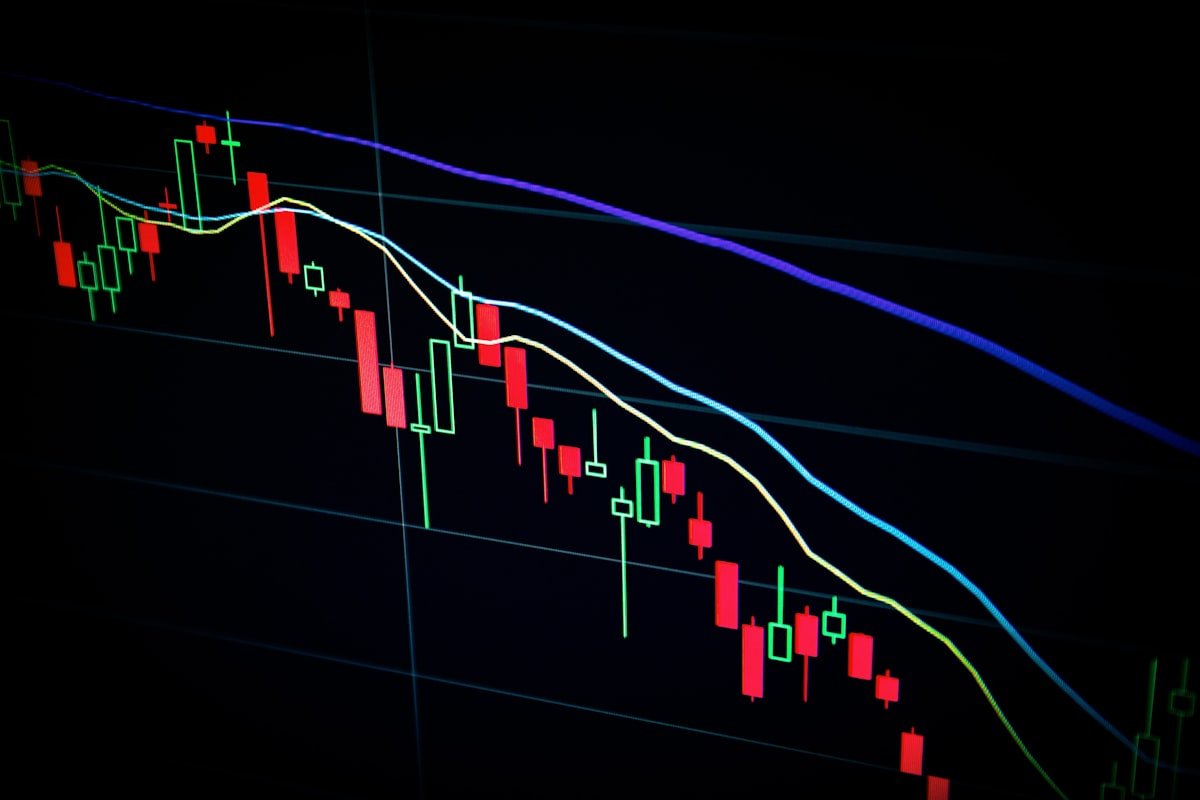

Open any financial news channel and you will be greeted by a wall of red and green numbers, breathless anchors, and charts that spike and plunge as if the fate of the world hangs on every tick. It is designed to feel urgent, and for the people whose job is to trade by the second, perhaps it is. But for the rest of us, the ordinary savers trying to build a little security over the years, this constant drumbeat of drama is not just unhelpful. It can actively push us toward the worst possible decisions.
The uncomfortable truth is that most of the daily market noise is exactly that: noise. Markets move up and down on any given day for a thousand reasons that are impossible to predict and largely irrelevant to a long-term plan. A headline that sends prices tumbling in the morning is often forgotten by the afternoon. Trying to react to every wobble is a recipe for exhaustion and, more often than not, for buying high in moments of optimism and selling low in moments of panic, which is precisely the opposite of what anyone actually wants to do.
This is not an argument for ignoring your finances. Quite the opposite. It is an argument for paying attention to the things that genuinely matter and letting go of the things that do not. What tends to matter over a lifetime is fairly boring and well understood: spending less than you earn, avoiding high-interest debt, keeping a cushion for emergencies, and giving your savings time to grow. None of these things make for exciting television, which is perhaps why they get so little airtime compared to the latest hot stock or dramatic crash.
Part of building a calmer relationship with money is understanding your own psychology. Our brains are wired to feel losses far more sharply than equivalent gains, which is why a downturn can feel so much scarier than an upswing feels reassuring. We are also drawn to stories and patterns, even when none exist, which makes us vulnerable to the confident voices promising they can predict what comes next. Recognizing these tendencies in ourselves is half the battle. Once you know your brain is nudging you toward fear or greed, you can pause before acting on it.
It also helps to zoom out. A chart of any given week can look terrifying, all jagged peaks and cliffs. Zoom out to decades and the same market often looks like a bumpy but steady climb. Perspective does not eliminate risk, and nothing is ever guaranteed, but it does help put the daily headlines in their proper place. The people who tend to do well financially are rarely the ones glued to the screen. More often they are the ones who set a sensible plan, automated the boring parts, and got on with their lives.
None of this replaces professional guidance for big decisions, and everyone’s situation is different. But the underlying mindset is available to anyone. Treat the financial news as weather rather than instructions, something to be aware of but not something to react to every hour. Focus on the fundamentals you can control, be honest about your own emotions, and give yourself the gift of time. Money is a tool for building the life you want, not a scoreboard to check every few minutes. The calmer you can be about it, the better most of your decisions will turn out to be.
Further reading: For more, browse related business analysis here on NewslyToday, and for a deeper, authoritative perspective see the U.S. SEC’s Investor.gov.