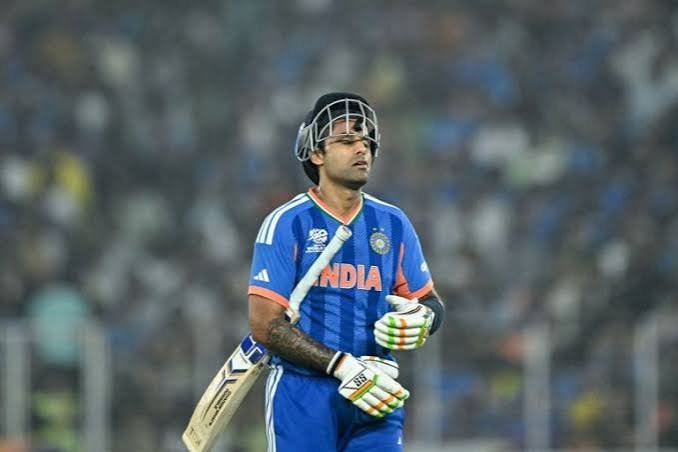

India’s white-ball tour of England moves to Bristol for the fourth T20I, and much of the pre-match conversation has centered on Washington Sundar’s growing importance to the touring side.
A Familiar Pattern in a Fresh Setting
The India national cricket team and the England cricket team have now met several times across this white-ball assignment, and the pattern so far has been familiar: quick starts from the top order, tight contests in the middle overs, and matches that often come down to small margins. The toss has played its part too, with sides on both ends preferring to assess conditions before deciding whether to bat or field first. Bristol’s County Ground, a compact venue with short straight boundaries and a reputation for rewarding clean hitting, is unlikely to change that pattern.
India and England have built one of the more compelling rivalries in modern white-ball cricket, with bilateral series between the two nations rarely short of drama. Beyond the result on the field, tours like this one also double as valuable preparation windows, allowing both sides to experiment with personnel and tactics away from the pressure of global tournaments. That context matters for a player like Sundar, whose growth in the format is being watched closely by selectors thinking ahead to future assignments.
Washington Sundar’s Journey to All-Rounder Status
For India, Washington Sundar’s rise from a promising domestic prospect in Tamil Nadu to a dependable international all-rounder has been one of the more satisfying subplots of the last few years. He first forced his way into national reckoning as a teenager, quickly earning a reputation as an off-break bowler who could hold his own against the best players of spin, while his composed left-handed batting added an unexpected dimension to his game. His performance with the bat during India’s tour of Australia in the 2020-21 season, when he walked out under pressure in Brisbane, remains one of the defining moments of his early career and helped shift perceptions of him from a specialist bowler to a genuine all-rounder capable of contributing in both disciplines.
Beyond the international arena, Sundar’s franchise cricket career has also played a part in shaping his game. Playing alongside and against some of the best white-ball cricketers in the world in various T20 leagues has sharpened his understanding of match-ups, field placements, and the small tactical details that often separate a good over from a costly one. That experience feeds directly into how he approaches bowling to power-hitters of the calibre India will face in this series.
That reputation has only grown since, and in T20 cricket specifically, his value lies in the control he offers during the powerplay and middle overs. Bowlers who can hold an end without leaking boundaries are prized commodities in a format built for aggression, and Sundar’s calm, low-risk approach with the ball has made him a regular pick in India’s shorter-format sides touring in English conditions, where spin can still be a useful weapon on used surfaces later in a series.
England’s Batting Firepower: Brook and Salt
England, for their part, will look to their own in-form batters to counter that threat. Harry Brook has emerged as one of the most exciting strokemakers in the world game across formats, known for a fearless approach that mixes traditional cricketing shots with inventive improvisation against both pace and spin. His rise through the England set-up, from consistent performances for Yorkshire to a central role in the national side’s white-ball plans, has been rapid, and bowlers around the world have had to think carefully about lines and lengths against him. Alongside Brook, Phil Salt brings a similarly destructive game at the top of the order. A wicketkeeper-batter by trade, Salt has built a reputation in franchise leagues across the world for taking the attack to bowlers from the very first over, and his ability to break open a powerplay can shift the momentum of a match before the chasing or defending side has settled into any kind of rhythm.
The Tactical Battle: Spin Craft vs Aggressive Intent
The head-to-head match-up between India’s spin options and England’s aggressive top order is likely to be one of the more interesting subplots of the evening. Sundar’s discipline and ability to vary his pace subtly, rather than relying purely on turn, gives him a fighting chance against batters who prefer to manufacture their own pace off the ball. How he and the rest of India’s bowling unit manage the powerplay overs, particularly if Salt gets an early sighter of the conditions, could go a long way toward deciding which side controls the tempo of the innings.
Team combinations will also be under scrutiny. India have often used matches like this to fine-tune their middle order and finishing options, while balancing the demands of a long tour with the need to give fringe players game time. Sundar’s presence allows the team management some flexibility, since his all-round skills mean India can pick an extra specialist elsewhere in the XI without feeling short-changed in overall balance. England, similarly, have used their strength in depth to rotate bowling options across the series, though their top three of aggressive batters, anchored by Brook and Salt, has largely remained settled given the returns it has produced.
Much will also depend on how both middle orders respond once the new-ball threat has been negotiated. India’s batting unit, often built around a blend of experience and emerging talent, will look to rotate strike efficiently against England’s varied bowling attack, while ensuring wickets are kept in hand for a strong finish. England, in turn, will be wary of losing quick wickets in a cluster, a pattern that has cost sides dearly in low-scoring passages of play during this series.
Pitch Conditions and the Toss at Bristol’s County Ground
Conditions in Bristol are expected to favor batters early in the innings, with the ground’s reputation for a fast outfield and true bounce making stroke play a little easier than at some of the other venues used earlier in the series. That said, English white-ball surfaces can still offer something for the bowlers once the ball gets older, and sides that manage their bowling changes intelligently, saving overs of their most dangerous options for the death, tend to fare better than those that front-load their resources.
The toss is expected to play a meaningful role once again. Sides winning the toss on this tour have generally preferred to field first, wary of dew affecting the ball later in the evening and keen to have a clear target to chase rather than defend a total under lights. Whichever captain wins the toss on the day will likely follow a similar line of thinking, unless overhead conditions or a noticeably dry surface suggest otherwise.
The Bigger Picture Beyond This Match
From a broader series perspective, every match in this run carries extra significance, with both teams using the fixtures to build combinations ahead of bigger assignments later in the year. For India, continued clarity on Sundar’s role, whether he is used purely as a fourth or fifth bowling option or given license to bat higher when conditions allow, will be one of the more instructive takeaways regardless of the final result. For England, seeing how Brook and Salt continue to build partnerships at the top, and how the middle order supports them when early wickets fall, will matter just as much as the scoreline.
As always with bilateral T20 cricket between these two sides, neither team is likely to consider the contest a foregone conclusion. Recent meetings between India and England in the shorter format have tended to be closely fought, decided by small margins in the powerplay or at the death, and there is little reason to expect Bristol to be any different. Fans on both sides will be hoping for a match that lives up to the occasion, with Washington Sundar’s battle against England’s fearless top order likely to be one of the defining threads of the evening.
How Fans Can Follow the Fourth T20I
Cricket followers tracking the series closely will find no shortage of coverage in the build-up to the match, from team news and pitch reports to expert predictions on how the toss might shape team selection. Live scores, ball-by-ball commentary, and post-match scorecards will be widely available once the action gets underway, giving fans following from home just as much insight into the contest as those inside the ground.
Beyond the individual battles, the wider narrative of this series continues to be shaped by how well each squad manages workload across a packed white-ball calendar. Rotation policies, injury management, and the balancing act between experienced campaigners and younger players trying to stake a claim all factor into selection meetings ahead of a fixture like this one. For a player such as Sundar, consistent selection is itself a marker of trust from the team management, and another composed outing in Bristol would only strengthen his case as a first-choice all-rounder in England’s testing conditions. Whatever unfolds on the day, the fourth T20I promises to add another absorbing chapter to a series that has already given followers plenty to debate.